L-PBF
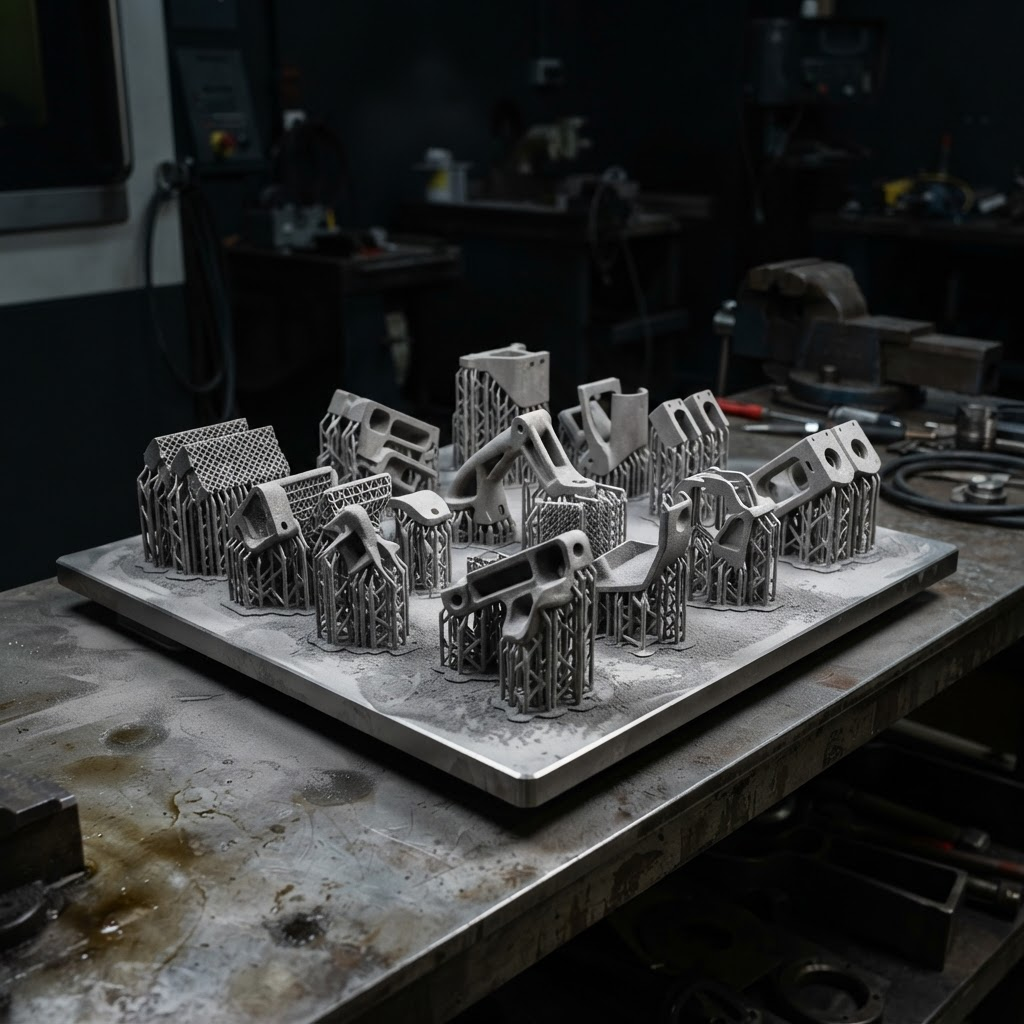
Laser Powder Bed Fusion
High-precision metal additive manufacturing for complex engineering components.
- Stainless steels
- Aluminium
- Titanium
- Nickel superalloys
- Tool steels
Capability
Metal additive manufacturing using industrial powder bed and binder jetting technologies, selected to suit the component rather than the machine that happens to be free.
Processes
Each process has a distinct combination of accuracy, surface finish, material availability and cost per part.
L-PBF
High-precision metal additive manufacturing for complex engineering components.
DMLS
For complex geometries, lightweight structures and low-volume precision production.
BJT
For applications requiring increased production volumes and manufacturing efficiency.
04
Rapid production of functional metal prototypes without traditional tooling.
05
Cost-effective manufacture of complex components where conventional machining or tooling may be unsuitable.
Process selection
Process selection is not a preference. It follows from the component.
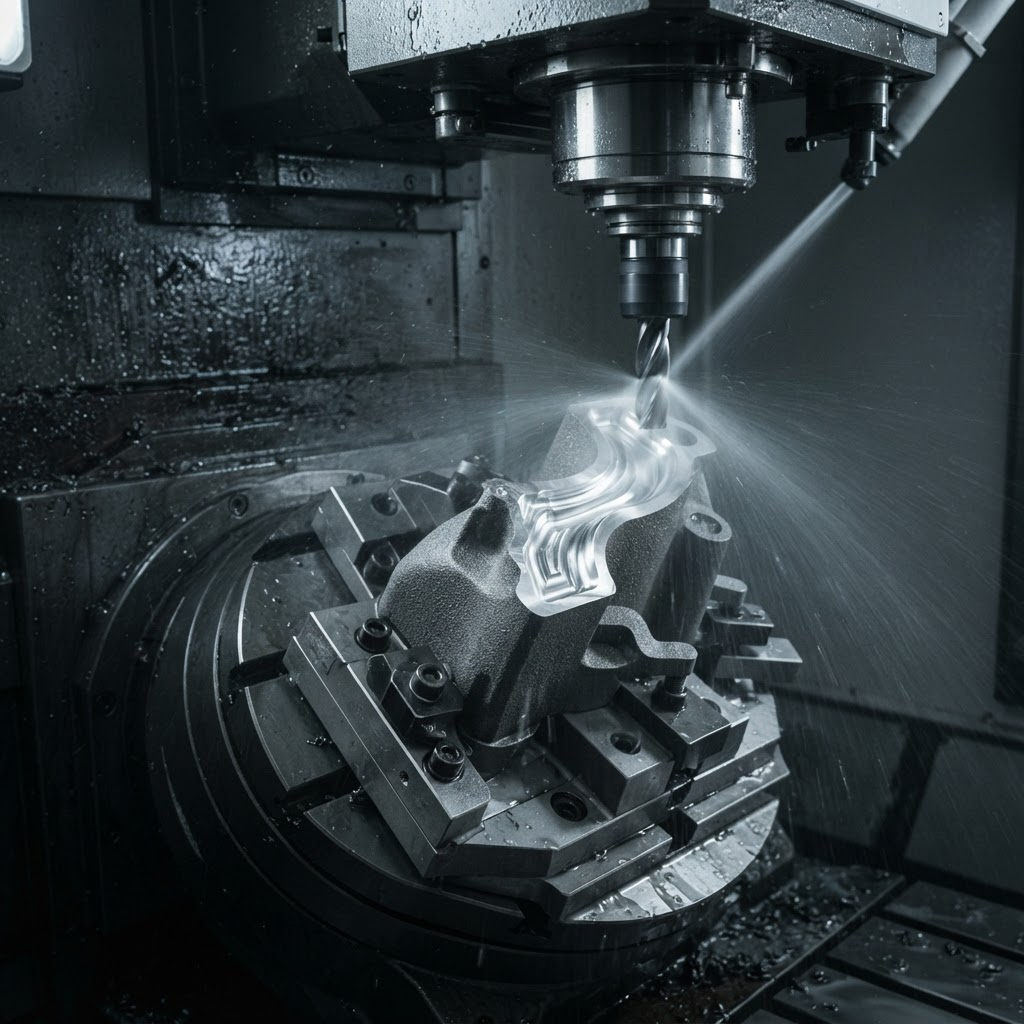
Printing is one stage
Components come off the build plate needing stress relief, support removal, machining of critical features and dimensional verification. Metal3D manages all of it, so a component arrives ready to use rather than ready for someone else to finish.
Next step
Upload your CAD or drawing and an engineer will assess the manufacturing route, material and finishing requirements.